

Coat Sleeve Shortening Expert Guide 2025: Transform Your Outerwear Without Breaking the Bank
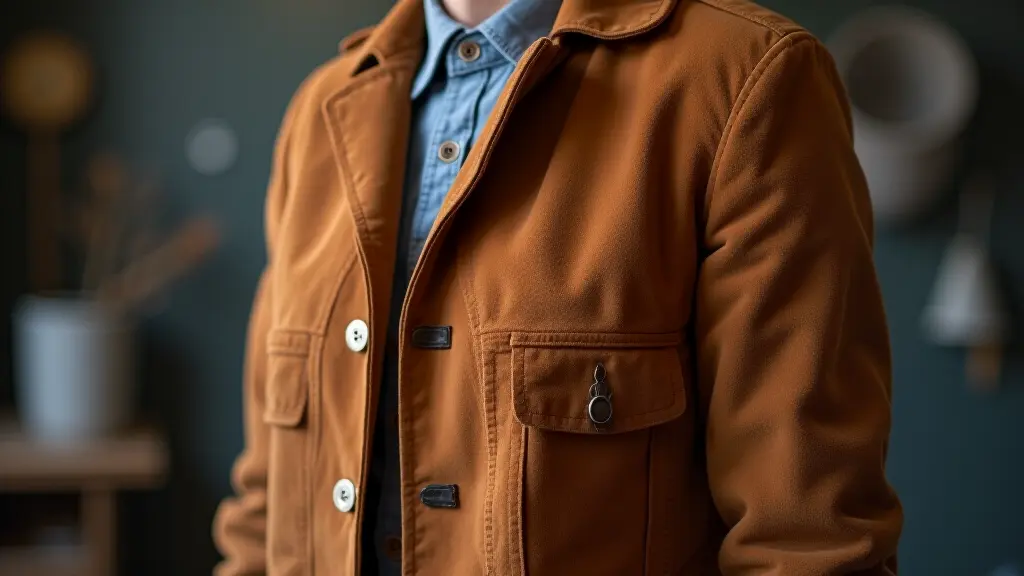
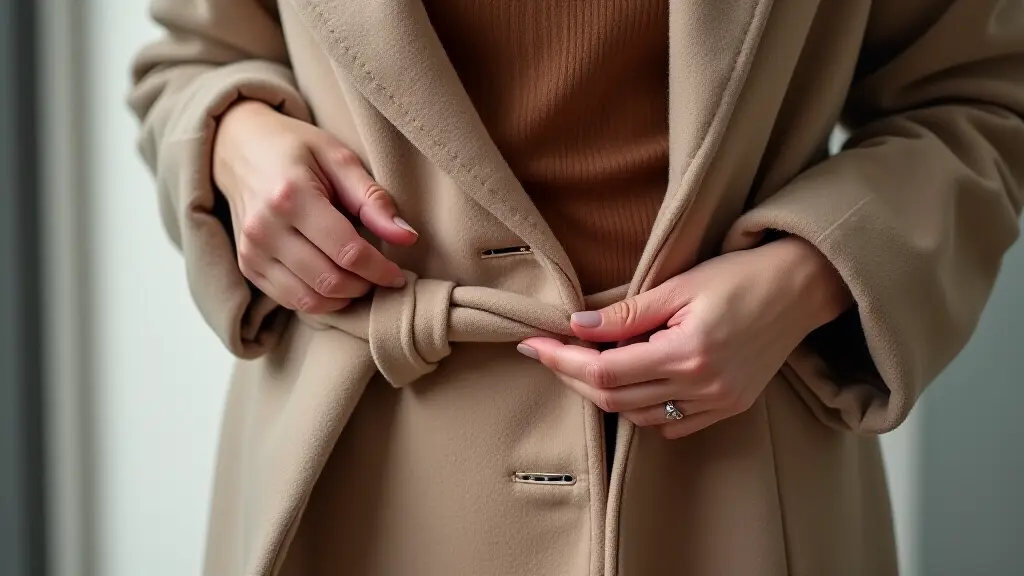
You know that moment when you finally find the one coat – perfect cut, gorgeous fabric, ideal length… except those sleeves drag past your wrists like forgotten extensions? We’ve all been there. And here’s what most people don’t realize: sleeve shortening isn’t just about trimming fabric. It’s about understanding the architecture of your garment, the physics of movement, and how to work with (not against) the original design.
At Balsini, we see hundreds of coats each year. Some come in as “too long,” but the real issue is often where they’re too long. A sleeve that drags at the elbow versus one that pools awkwardly at the wrist requires completely different approaches. Let me walk you through why your Manchester coat deserves this level of precision craftsmanship.
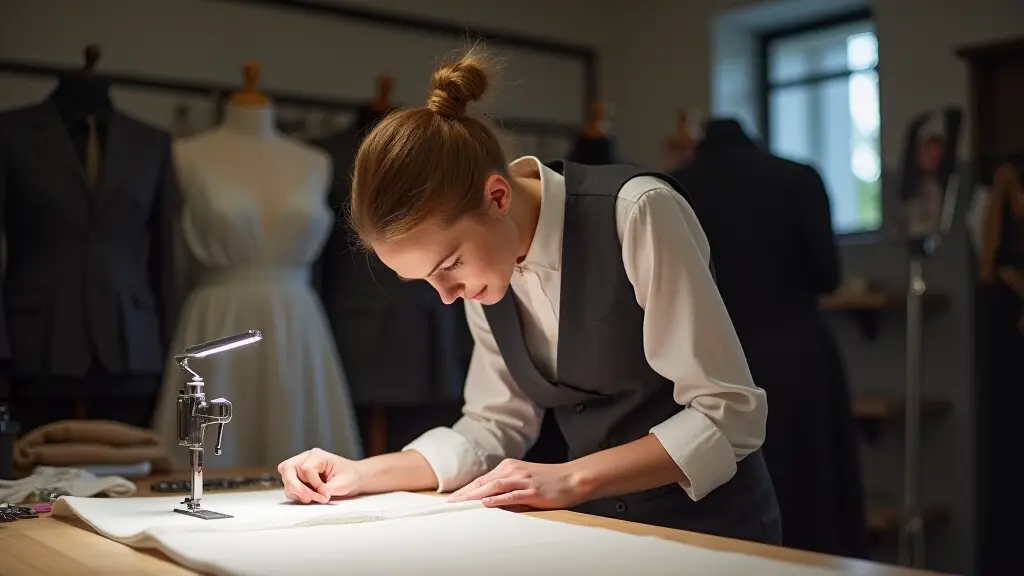
Meet Our Expert: Clara Thornton, Master Tailor
I’ve been shortening sleeves since before “fast fashion” became a dirty word. Back in my apprenticeship days at Balsini, I learned that every stitch tells a story – of the original designer’s vision, the fabric’s personality, and ultimately, *your* body moving through space.
One memorable client came in with a vintage wool coat from the 1940s. The sleeves were perfectly proportioned for mid-century fashion, but her wrists sat awkwardly inside them. Rather than simply cutting off excess length, we redistributed fabric to create subtle darts that followed the natural curve of her arms. The result? A coat that looked like it was made for her.
The Art and Craft: More Than Just Cutting Fabric
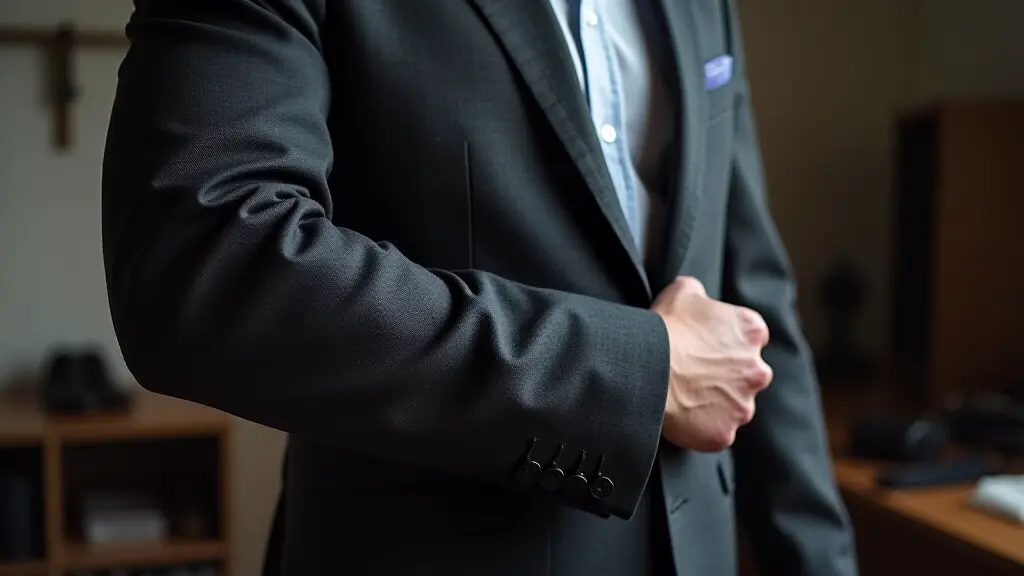
Sleeve shortening is often misunderstood as a simple “trim-and-sew” task. But consider this: your sleeve isn’t just fabric hanging off your arm – it’s a three-dimensional structure engineered for movement, warmth retention, and aesthetic balance.
Why DIY Shortening Usually Fails
I’ve seen it too many times: sleeves that look lopsided after home alterations. The culprit? Ignoring the drape of the fabric. Wool behaves differently than cotton; knit fabrics require different tension than woven textiles. And let’s be honest – most people don’t have access to a serger or understand how to finish raw edges properly.
A real-world example: A client brought in a cashmere sweater coat with sleeves that were 4cm too long. She’d attempted her own shortening, creating uneven hems and puckered fabric at the wrist. Our process involved carefully unsewing along the original seam, redistributing fabric to create gentle folds rather than a straight cut, then finishing edges with invisible topstitching.
Inside Our Workshop: The Tools That Make the Difference

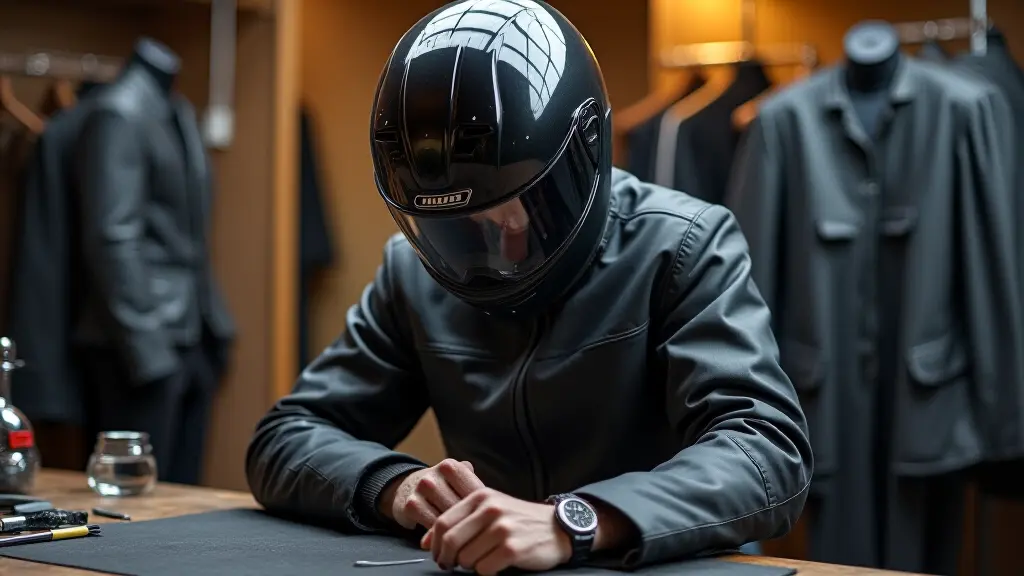
Our toolkit goes far beyond scissors and thread. Here’s what truly sets our sleeve shortening service apart:
- Vintage-inspired dressmaker’s thimble – because sometimes you need that traditional craftsmanship touch
- Fabric marking pens with UV technology – invisible until heated, perfect for precision work
- Micro-adjustment clips – allow us to test different lengths without committing prematurely
- Eco-friendly thread blends – designed specifically for outerwear durability
The Quality Standard We Apply to Every Coat
When we say “quality,” we mean durable quality. A sleeve that stays perfectly proportioned wash after wash, movement after movement.
We follow a five-point quality check:
- Fabric integrity assessment – will shortening compromise the material’s strength?
- Movement simulation – does the altered sleeve allow full range of motion?
- Visual balance – how does the new length interact with your posture and body type?
- Durability testing – can this withstand Manchester weather, commute traffic, weekend adventures?
- Satisfaction guarantee – because true quality is in your smile when you try it on
Pricing Transparency: What You Pay For
Pricing Overview
| Service | Starting Price |
|---|---|
| Lift shoulders | £35 |
| Shorten sleeves original | £30 |
| Take in side seams | £30 |
| Taper sleeves | £20 |
Pricing reflects the complexity of each adjustment. A simple hem versus strategic sleeve tapering requires different skill levels and materials.
Industry Secrets: Professional Insights from Manchester’s Tailoring Hub
The Hidden Geometry of Sleeve Length
Fabric weight isn’t just about warmth – it affects how sleeves hang when shortened. Heavy wool coats need more strategic shortening than lightweight cotton options. We analyze fabric drape, thread count, and even the direction of weave before touching your garment.
Seasonal Shifts in Sleeve Preferences
Manchester weather dictates our sleeve trends:
- Fall/Winter: Longer sleeves (up to 2cm extension) for layering under scarves and gloves
- Spring: Medium length with strategic taper at wrist for breathability
- Summer: Shortened sleeves with curved hems following seasonal fashion trends
Customer Success Story: From Clumsy DIY to Perfect Fit
Mrs. Patel came in frustrated after attempting her own sleeve shortening on a £250 coat from a popular Manchester retailer. “The fabric kept bunching,” she explained. “And the stitching looked terrible.”
Our team assessed the damage: uneven cuts, poor tension, and inadequate edge finishing. We carefully unpicked problematic stitches, then reworked the sleeves using heritage techniques combined with modern precision tools.
“It’s like I bought a new coat,” Mrs. Patel said after her second visit. “But this one actually feels made for me.”
Frequently Asked Questions: Manchester Clients’ Top Concerns
How much fabric do you typically remove?
The average sleeve shortening removes between 1-4cm, depending on your body proportions and the original garment design. We always work conservatively at first – you can always go shorter, but you can’t un-cut fabric!
Can you fix sleeves that were already shortened poorly?
Absolutely. Whether it’s uneven hems, stretched threads, or awkward angles, we have techniques to correct previous alterations while preserving the garment’s integrity.
How long does sleeve shortening take?
Most standard adjustments are complete within 2-4 business days. Complex restorations may take longer, and we always provide a clear timeline before starting work.
Your Coat, Reimagined
Sleeve shortening isn’t just about length – it’s about creating harmony between your body and your clothing. It’s the difference between wearing a coat and experiencing one.
As we move into Manchester’s unpredictable weather season, consider how your outerwear could better serve you. A few strategic adjustments might be all that stands between functional fashion and wardrobe regret.
Contact Us Today for Your Personalized Consultation
Visit our Altrincham workshop:
8a Woodfield Road, Altrincham
07551 950205
info@balsini.co.uk
Or request a personalized price estimate online. We’re happy to discuss your specific needs or schedule an appointment at our City Centre location.
Explore Related Services:
- Women’s dress alterations style guide
- Prom dress alterations service
- Coat lining repair
- Curtain shortening guide
At Balsini, we believe your clothing should enhance your natural movement, not restrict it. That’s why every alteration is approached as a unique creative opportunity.
“The best alterations are the ones you don’t notice – except for how perfectly everything fits.”
– Clara Thornton, Master Tailor at Balsini