


The Perfect Fit: A Man’s Guide to Bridal Gown Alterations (Yes, Really)
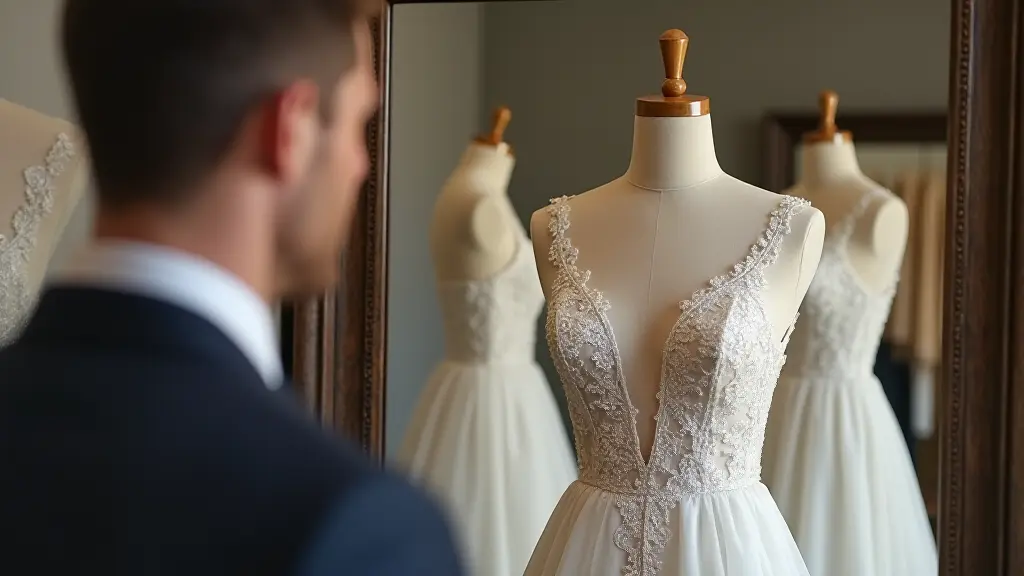
Picture this: You’re standing in front of the mirror wearing what should be your most important outfit—the one you’ll wear when you marry the love of your life. But something feels off. The fabric pulls awkwardly across your shoulders. The hem grazes the floor instead of kissing it gracefully. That vital adjustment you need isn’t on any standard alteration list.
Welcome to the world of bridal gown alterations for men—a niche I’ve navigated daily at Balsini for over a decade. While most clients come in seeking traditional suit modifications, some arrive with unconventional requests that challenge conventional tailoring wisdom.
Meet Our Expert: Alex Morgan, Master Tailor
I didn’t plan to specialize in this particular service, but life has a way of redirecting us toward meaningful work. After years of perfecting classic tuxedo fits at Manchester’s finest formal wear shops, I began receiving inquiries about altering bridal gowns for male clients.
“The most rewarding alterations aren’t the technically complex ones—they’re the moments when a client realizes their vision is finally wearable.”
Whether it’s shortening an oversize gown to create a modern silhouette or adjusting seams to accommodate mobility needs, each project teaches me something new about craftsmanship and human connection.
The Art and Craft of Unconventional Alterations
Beyond Hemlines: The Real Work Behind the Scenes
When clients ask for “bridal gown alterations,” they often imagine simple hem adjustments. Reality is far more intricate.
Taking in a 10-yard train isn’t like shortening trousers—it requires strategic cutting, stabilizing delicate fabrics, and sometimes completely reimagining the garment’s structure. I recently worked on a Charles & Keith wedding dress that needed its entire back panel reconstructed after an ill-fitting initial alteration by another tailor.
The Three Phases of Complex Alterations
- Assessment: We spend 20 minutes examining the fabric, stitching quality, and original construction before touching it
- Planning: Creating a step-by-step approach that preserves the dress’s integrity
- <strong.Execution:</s: The meticulous handwork where magic happens
Tools of the Trade: What Sets Us Apart
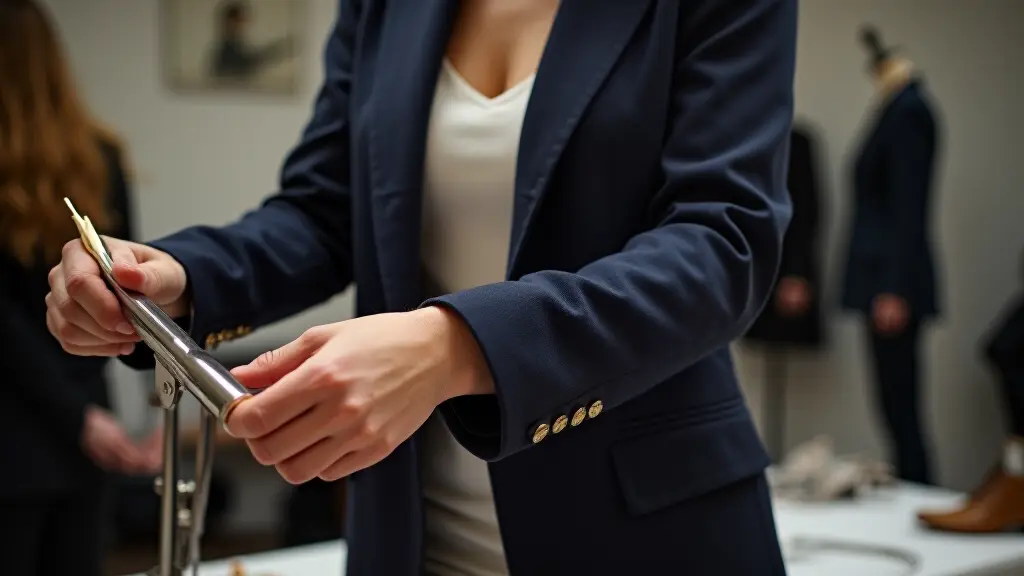
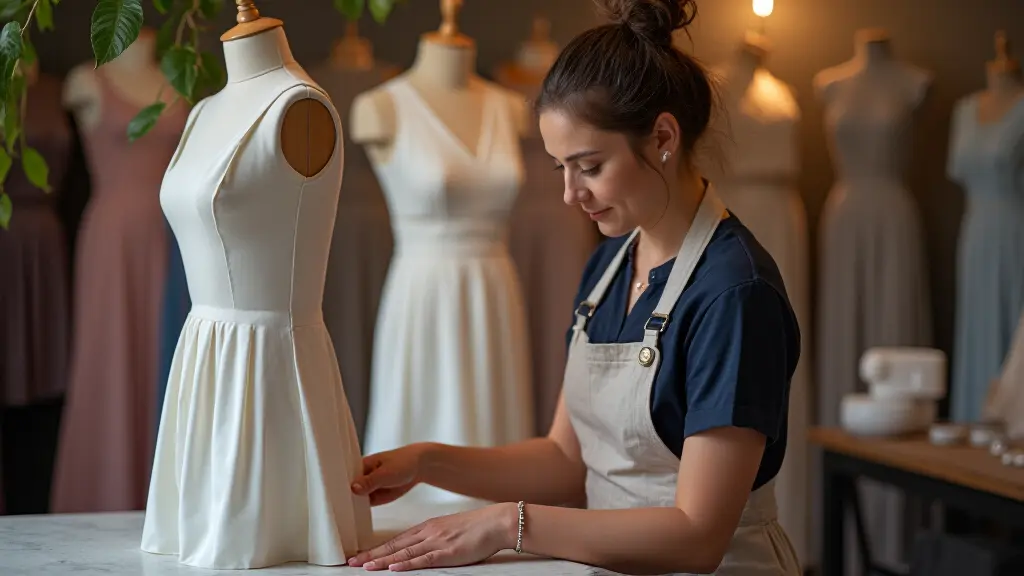
Professional tailoring isn’t just about skill—it’s about having the right tools. While many shops use standard sewing machines, our workshop features:
- A specialized machine for delicate lace and silk fabrics
- Custom-built pattern-making tables with adjustable lighting
- A digital measurement system that creates precise 3D garment maps
- Quality control stations at every alteration stage
“The difference between good and exceptional tailoring,” I often tell apprentices, “isn’t talent—it’s attention to detail you can’t see.”
Inside Our Workshop: The Secret Sauce
“Clients don’t just want alterations; they want confidence. Every stitch is an investment in their peace of mind.”
I remember a particularly challenging project with Mr. Harrison, who needed his mother’s vintage wedding gown altered to fit his frame. The original construction used techniques uncommon even in bridal circles—hand-stitched beadwork and fabrics that hadn’t been produced since the 1940s.
Our Quality Standards: Why They Matter
Much like formal wear tailoring, bridal gown alterations require precision. A 1mm error in placement can create visible distortion across delicate fabrics.
We’ve developed a five-point quality assurance process:
- Fabric analysis and compatibility testing
- Pre-alteration documentation with client approval
- Progress snapshots at key stages
- Final fit evaluation under professional lighting
- A 30-day satisfaction guarantee on all work
The Real Cost of Cutting Corners
Short hem: £25+
Strap adjustment: £20+
Hem lengthening: £30+
Seam taking in/out: £30+
“Why pay more?” is a common question. The answer lies in what’s included:
- Premium thread that matches or exceeds original stitching
- Dedicated time with an experienced tailor (not an apprentice)
- Quality control at every stage of the process
- A 30-day guarantee on all alterations
At Balsini, we believe transparency builds trust. That’s why we provide detailed quotes before beginning any work.
Industry Secrets: What They Don’t Tell You About Alterations
The 48-Hour Rule
One of the most common mistakes clients make is waiting too long to schedule alterations. Fabric behaves differently when it’s been stored versus when it’s fresh off the rack.
“I once had a client who waited three months before bringing in her gown. By then, the fabric had shifted permanently, requiring far more extensive work than if she’d come in immediately.”
For best results:
- Bridal gowns: Schedule within 2-4 weeks of purchase
- Tuxedos/suits: Allow at least three weeks for adjustments
- Vintage pieces: Bring in as soon as possible after acquisition
Fabric Matters More Than You Think
Cotton, silk, lace—each responds differently to alteration techniques. A method that works beautifully on one fabric might damage another.
I recently worked with a client who brought in a vintage gown made from organza and velvet blend. Standard hemming techniques would have crushed the delicate structure. Instead, we used specialized stabilizers and hand-stitching to preserve its integrity.
Seasonal Trends: What’s Working Right Now
This season in Manchester, clients are gravitating toward:
- Vintage-inspired silhouettes with modern fit adjustments
- Mixed fabric combinations requiring careful seam matching
- Custom train lengths tailored to venue dimensions
“The most popular request? A ‘just right’ hem that allows for comfortable movement without sacrificing elegance.”
Customer Success Stories: Real Transformations
The Unexpected Wedding Dress
Mr. Thompson arrived with a challenge: his partner had passed away, leaving him her wedding dress. He wanted it altered to fit his frame while preserving its sentimental value.
We spent weeks carefully adjusting the neckline and hemline, using original fabric scraps for matching patches. The result? A garment that honored memory while becoming wearable art.
The Timeless Tuxedo
When Ms. Chen brought in her father’s 1950s tuxedo, we faced a unique challenge: the fabric had degraded over time. Standard alteration techniques would have damaged it irreparably.
Instead, we used archival-quality materials and hand-stitching to extend its life by decades. Today, that tuxedo is worn annually for family weddings.
Frequently Asked Questions
How far in advance should I schedule alterations?
Aim for 4-6 weeks before your event. This allows time for multiple fitting sessions and unexpected adjustments.
Can you work with vintage or delicate fabrics?
Absolutely. Our team has extensive experience with historical garments, using techniques that preserve original materials while improving fit.
What if the alteration doesn’t look right after completion?
We offer a 30-day guarantee on all alterations. If something needs adjustment, we’ll revisit it at no additional cost.
Do you provide same-day services for last-minute changes?
While we prioritize quality over speed, we can often accommodate urgent requests with advanced scheduling.
Your Perfect Fit Awaits
Bridal gown alterations aren’t just about making clothes fit better—they’re about creating confidence, preserving memories, and turning visions into reality. At Balsini, we treat every garment as unique, understanding that each stitch carries emotional weight.
Whether you need minor adjustments or a complete reconstruction, our team is ready to help. With over 15 years of experience serving Manchester clients, we’ve mastered the delicate balance between tradition and innovation in tailoring.
Contact Us Today
Ready to transform your garment? Visit us at:
- Address: 8a Woodfield Road, Altrincham
- Phone: 07551 950205
- Email: info@balsini.co.uk
- Website: balsini.online
We’d be honored to help you create the perfect fit for your most important moments.