


That Panic Feeling When Your Trouser Waist Just Won’t Cooperate
You’re standing in front of your wardrobe, trying on trousers you haven’t worn in months. The fabric pulls uncomfortably across your hips, the waistband gapes at the sides, or maybe it’s too tight and leaves angry red marks. Sound familiar? I’ve been hearing variations of this story for over 15 years as Manchester’s go-to trouser specialist.
Here’s what keeps me up at night (besides the occasional rogue thread): people settling for less than perfect. They either endure discomfort daily or resort to belts that ruin their outfits. The good news? This isn’t some fashion mystery— it’s a straightforward tailoring fix, and I’m here to show you why doing it right matters.
The Hidden Cost of Skipping Professional Waist Alterations
Let me be brutally honest: DIY waist adjustments rarely work. Elastic bands snap, safety pins fall out during meetings, and that “quick fix” becomes a weekly inconvenience. I’ve seen clients attempt everything from belt loops to sewing machines they barely know how to operate.
The real question isn’t whether you need trouser waist taking in—it’s why so many people delay it. Is it the cost? The time? Or that nagging fear that professionals will ruin their favourite trousers?
Real Talk from My Studio
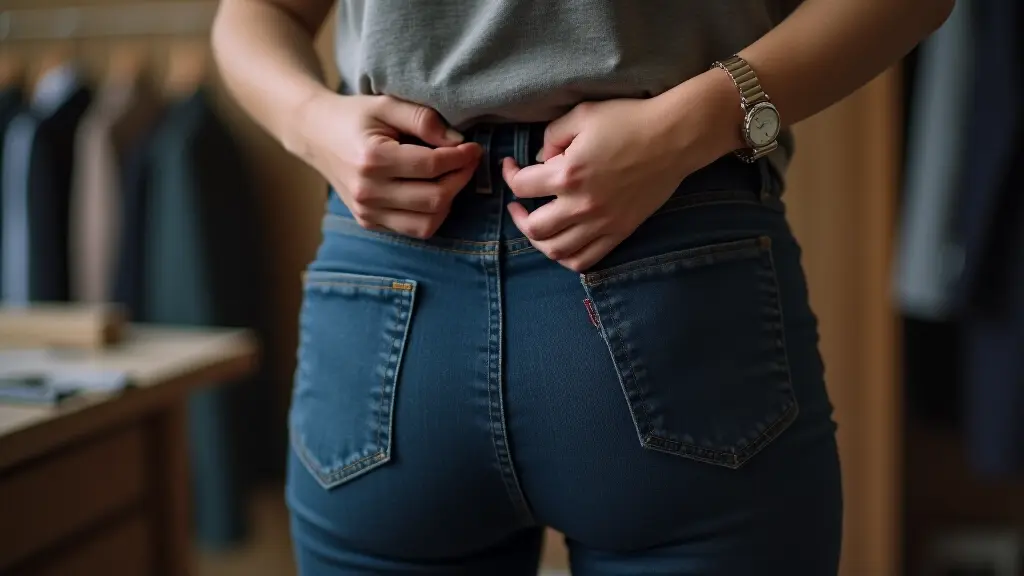
A few weeks ago, a client brought in vintage Levi’s she’d worn to her wedding. The waist had stretched beyond repair. I could’ve just taken it in, but that would have ignored the real issue: wear patterns matter. These trousers had developed their own shape over years of being worn. A standard alteration would’ve created new stress points.
I ended up doing a three-stage process: stabilize the fabric, redistribute the tension across multiple seams, then finish with invisible reinforcement. The result? Trousers that fit better than day one, with zero visible signs of alteration.
When Your Trouser Waist Screams for Help
Your clothing communicates its needs— you just have to learn how to listen. Here’s what the most common distress signals mean:
- Gapping at the side seams: This isn’t about size; it’s about shape mismatch. Your hips and waist aren’t aligning with the trouser construction
- Ridged fabric across the back: The waistband is riding up, indicating too much material needs taking in
- Pull marks near belt loops: These are your trousers begging for structural support
The Balsini Method: Beyond Simple Taking In
What separates us isn’t fancy equipment—it’s prioritization. While other shops focus on speed, we sequence our process around fabric integrity. Take denim versus wool trousers: one stretches; the other creases. Both need different approaches.
A Week in Our Altrincham Studio
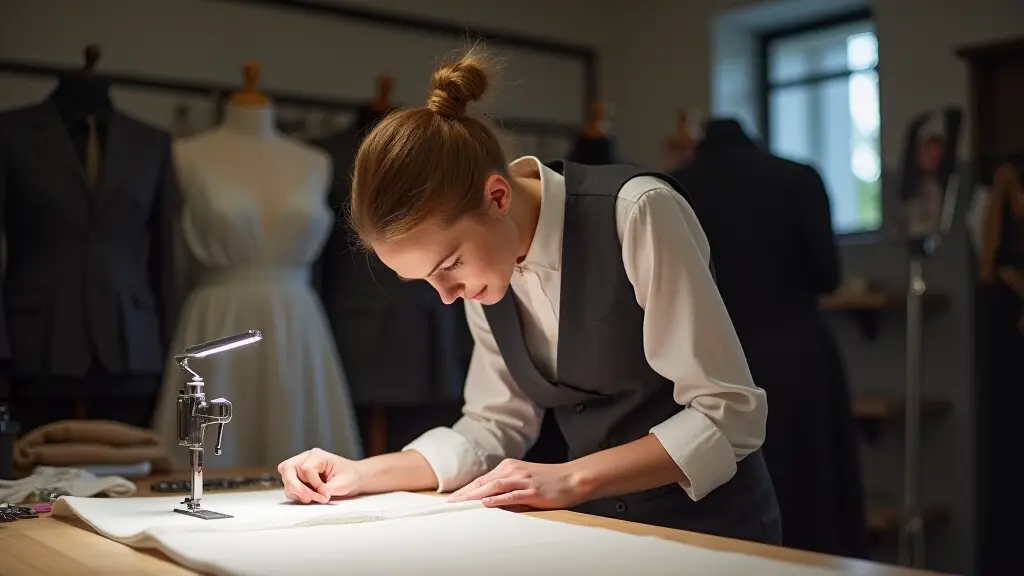
Monday mornings are our “fabric assessment” shift. Every pair of trousers gets a professional evaluation before any cutting begins. Why? Because a 2cm adjustment on heavy wool feels completely different than on lightweight cotton.
I remember one particular project—a vintage silk trouser from the 1950s. The client wanted them “just a bit smaller.” Standard procedure would’ve been to take in both sides equally. But careful examination revealed uneven wear: one side had stretched more from years of sitting at desks.
We adjusted each side independently, preserving the garment’s historical integrity while creating a modern fit. That pair is still being worn regularly five years later.
Materials & Techniques You Won’t Find Elsewhere
Fabric-Specific Approaches
Different fabrics demand different strategies:
- Denim: We use a two-stage process—first stabilize with interfacing, then adjust. A single cut through heavy denim creates stress points that lead to premature wear.
- Wool & Flannel: These materials “remember” their original shape. Cutting and resewing disrupts this memory, so we use specialized techniques to preserve it.
- Cotton & Linen: The challenge here is fading. Washed cotton shifts color where it’s been altered, creating visible patches.
The Tool Kit That Makes the Difference
You don’t need a factory to get quality results. What matters is having the right tools for specific tasks:
- Micro-adjustment pins instead of standard sewing pins
- Fabric-specific threads (cotton vs. polyester vs. silk)
- Specialized pressing equipment that doesn’t crease delicate fabrics
I’ve seen too many alterations ruined by using the wrong thread tension. A setting perfect for cotton leaves visible marks on wool, and vice versa.
Pricing Transparency You Can Trust
No hidden fees. No surprise charges. Here’s exactly what you’re paying for:
Our Competitive Rates
We pride ourselves on transparent, fair pricing:
- Trouser waist taking in (standard): Starting from £20
- Dense fabric adjustment: From £25 (denim, wool blends)
- Vintage or delicate fabrics: From £30 (silk, linen, historic pieces)
- Emergency same-day service: +£15
For a detailed quote tailored to your specific needs, please request a personalized price estimate.
What Quality Really Costs
A £10 “quick fix” often becomes a £50 problem when the fabric splits or threads break. We build quality into every stitch, which means:
- No visible stitching on the outside
- Fabric that moves with you, not against you
- Alterations that last through multiple washes
Your Trouser Transformation Timeline
“How long will this take?” is our most common question. The answer depends on fabric and complexity:
- Simple adjustment (cotton, linen): 2-3 hours – perfect for same-day pickups
- Moderate complexity (wool blends, medium-weight denim): Half a day – ideal for drop-off services
- High-end or delicate fabrics: Full day – recommended for vintage pieces or special occasions
The Quality Check You Won’t See Elsewhere
While other shops hand you your altered trousers and call it done, we perform a final wear test. We simulate real movement—sitting, walking, bending—to ensure the adjustment feels natural.
“I was skeptical about altering my favourite work trousers until Balsini showed me their process. They didn’t just take them in—they understood what I needed.” – Sarah K., City Centre Client
Troubleshooting Common Waist Adjustment Issues
If the waist still feels tight after alteration:
This usually means the adjustment was too aggressive. We gently redistribute tension across multiple seams rather than focusing on a single point.
If fabric is puckering near the new seam:
Puckering happens when fabric isn’t properly stabilized before cutting. Our two-stage process prevents this by reinforcing the area first.
Frequently Asked Questions
Can you adjust trousers that have already been shortened?
Absolutely—but it requires careful planning. If the original hem was taken in too much, we may need to add fabric before adjusting the waist. Our sleeve alteration guide explains similar principles for different garment types.
How long will altered trousers last?
With proper care, quality alterations should last as long as the original garment—typically 1-5 years depending on fabric and wear. Wool and denim tend to outlast cotton and linen due to their natural elasticity.
Do you offer emergency waist adjustment services?
Yes! We understand when timing matters most. Our emergency alteration service ensures your trousers are ready when you need them.
Your Perfect Fit Awaits
Fitting perfectly isn’t a luxury—it’s the foundation of confidence. When your trousers feel right, everything else falls into place.
Ready to transform your wardrobe?
- Visit us at Balsini, 8a Woodfield Road, Altrincham
- Call for a same-day appointment: 07551 950205
- Email us your measurements and fabric details: info@balsini.co.uk
Let’s create trousers that feel like they were made just for you.