


Invisible Mending Style Guide for Men: The Ultimate Professional Repair Solution
Have you ever stared at a perfectly good shirt with a tiny tear or worn-out seam, wondering whether it’s worth fixing? Or perhaps you’ve tried DIY patching that left your clothing looking more damaged than before? You’re not alone. Many men struggle with the fear of ruining their favorite garments during repairs, leading to unnecessary waste and missed opportunities for clothing preservation.
At Balsini Manchester, we’ve perfected the art of invisible mending—techniques that restore your clothing without visible signs of repair. This comprehensive guide reveals professional methods you won’t find elsewhere, whether you’re dealing with a torn dress shirt, worn denim, or delicate wool garments.
In this invisible mending style guide for men, we’ll cover everything from basic techniques to professional-grade repairs, plus insights on when to seek expert help. By the end, you’ll know exactly how to extend the life of your wardrobe while maintaining impeccable style.
What Is Invisible Mending and Why It Matters
Invisible mending isn’t just about fixing holes—it’s an art form that restores garments to their original condition. Unlike basic patching or visible stitching, this technique uses specialized methods to make repairs undetectable at first glance.
The core principles include:
- Color-matched threads that blend seamlessly with the fabric
- Micro-stitching techniques for delicate materials
- Fabric matching to replicate original weaving patterns
- Minimal tension methods that prevent distortion
Professional invisible mending preserves both the aesthetic and structural integrity of your clothing. A skilled tailor can repair everything from a single-thread tear in a silk tie to extensive wear on leather jackets, making the damage virtually undetectable.
Why Professional Invisible Mending Outperforms DIY Attempts
While online tutorials promise easy fixes, they often overlook critical factors that determine repair success:
The Skill Gap in Home Repairs
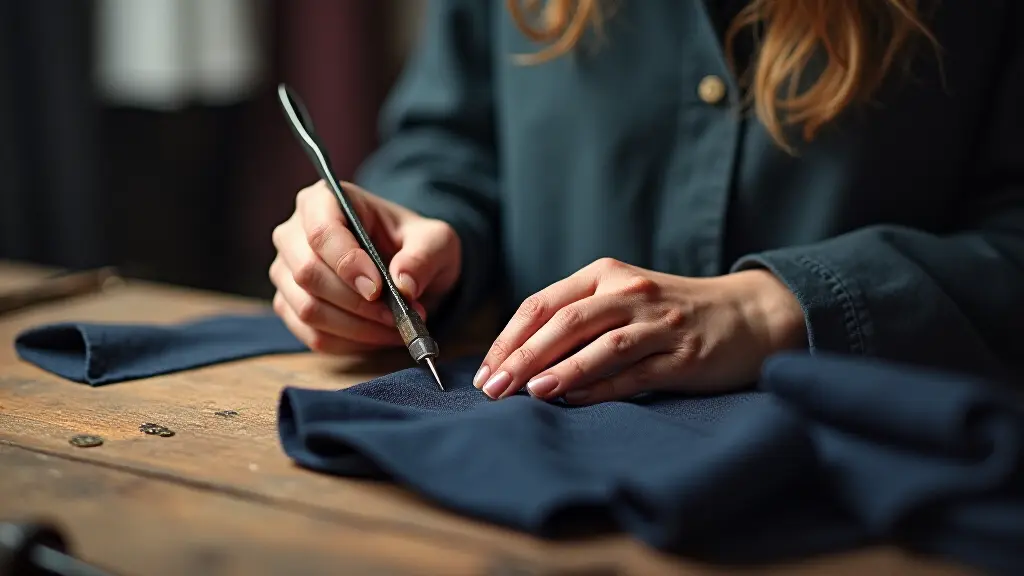
Basic sewing kits lack the specialized tools needed for true invisible mending. Professionals use equipment like:
- Magnification lamps for precise micro-stitching
- Color-calibrated thread systems
- Fabric analysis tools
- Specialized needles for different textile types
These tools allow us to match threads at a microscopic level, something impossible with standard sewing kits.
Risk of Further Damage
Incorrect tension or stitch placement can worsen fabric damage. A single misplaced stitch in woven fabrics creates chain reactions of unraveling. Our trained technicians understand fabric behavior, applying repairs that strengthen rather than weaken the material.
The Professional Invisible Mending Process: Step-by-Step
Phase 1: Assessment and Analysis
The first step involves thorough examination using specialized equipment:
- Fabric composition testing (thread count, weave type)
- Damage mapping to identify stress points
- Color spectrum analysis for perfect thread matching
- Wear pattern evaluation
This stage typically takes 20-30 minutes per garment, ensuring we develop the most effective repair strategy.
Phase 2: Material Preparation
Before stitching begins, we prepare both the fabric and threads:
- Fabric stabilization techniques for stretched or weakened areas
- Thread conditioning to match original tension properties
- Micro-weaving preparation for complex textile structures
- Edge finishing to prevent further fraying
This meticulous approach ensures repairs integrate seamlessly with the original construction.
Phase 3: Precision Stitching Techniques
The stitching phase uses specialized methods dependent on fabric type:
Cotton and Linen (Shirts, Casual Wear)
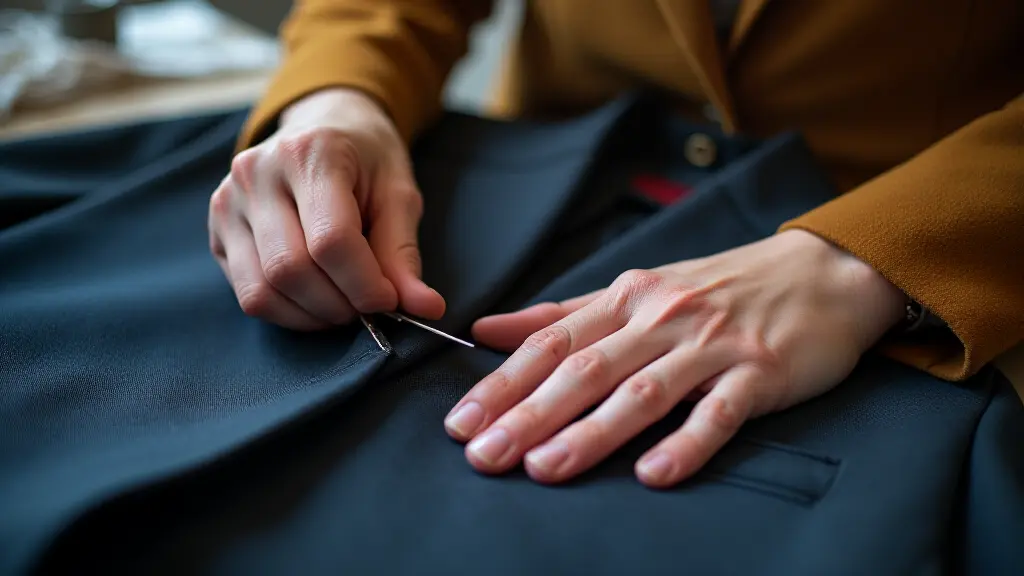
We use a combination of hand-sewing techniques and low-tension machine stitching. The key is mimicking the original factory construction while adding reinforcement where wear has occurred.
Wool and Tweed (Suits, Outerwear)
These delicate fabrics require micro-stitching with specialized needles. We often use a technique called “shadow weaving” that follows the original pattern without creating visible stitching lines.
Denim and Heavy Cotton
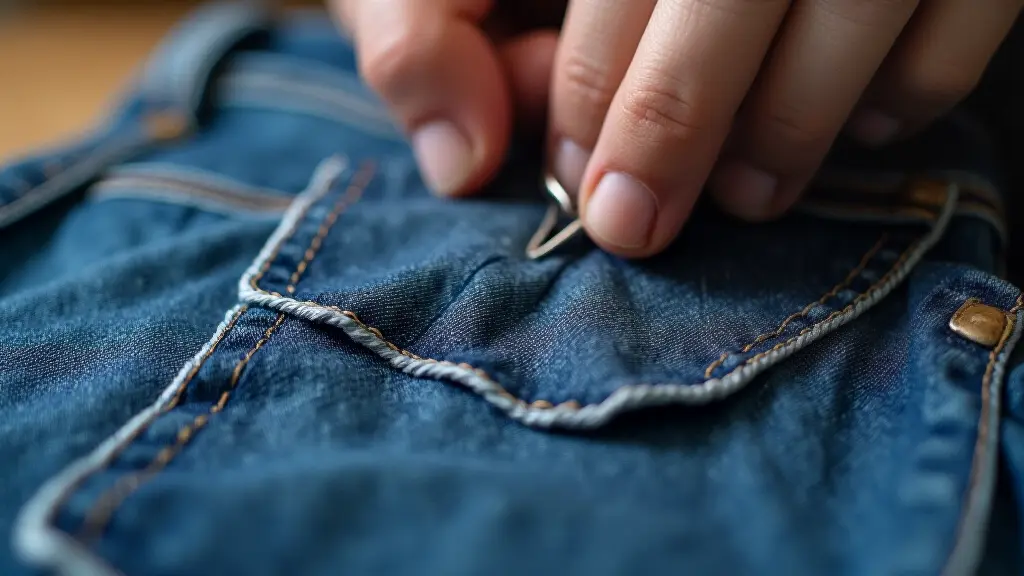
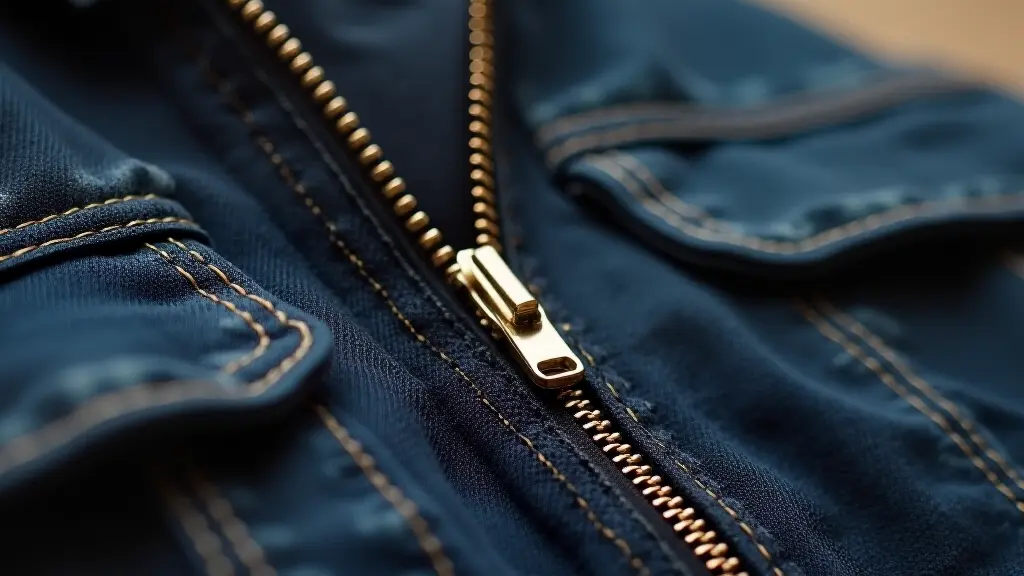
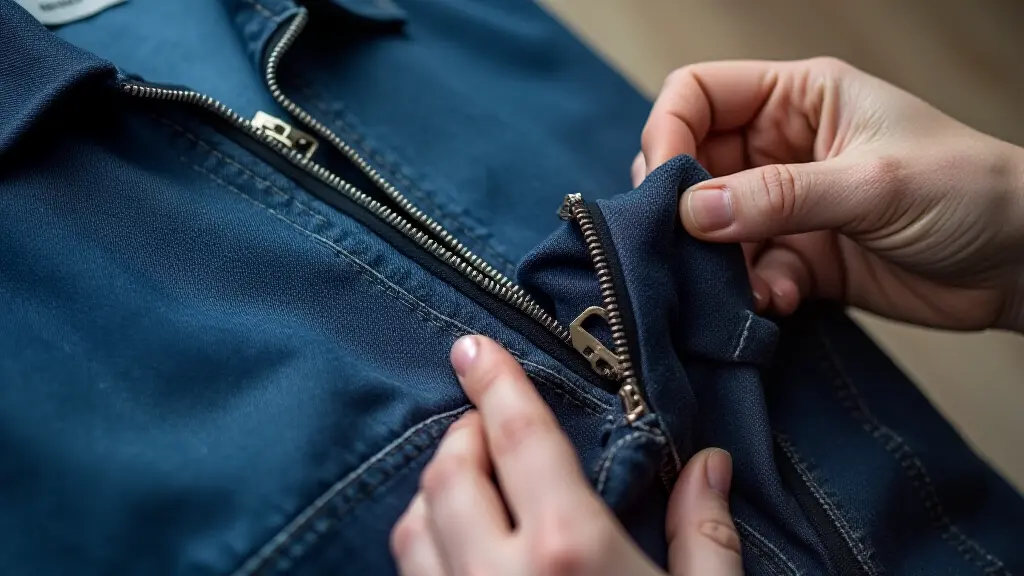
For jeans and workwear, we employ double-layer reinforcement techniques. This involves two stages of stitching: one for immediate repair and another to strengthen high-wear areas before final finishing.
Leather and Suede (Jackets, Accessories)
Leather repairs use specialized adhesives and stitching that follow the grain direction. The goal is to make the repair appear as natural wear rather than a patch job.
Phase 4: Final Quality Assurance
All repairs undergo rigorous testing:
- Motion testing – moving fabric through expected range of motion
- Color verification under multiple lighting conditions
- Tension analysis to ensure proper stitch tightness
- Wear simulation for high-stress areas
This final check ensures your garment performs as well as it looks.
Common Invisible Mending Challenges and Expert Solutions
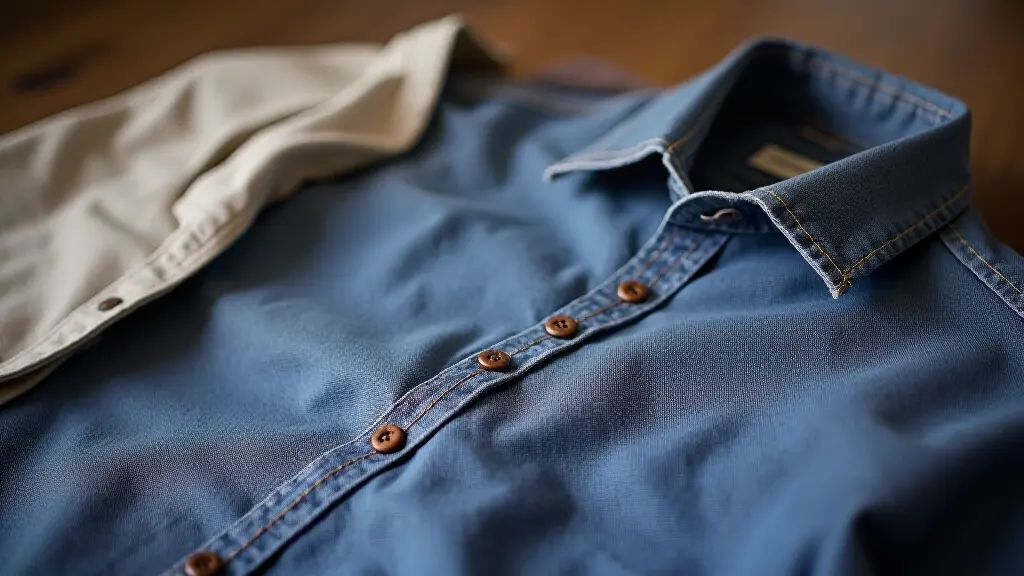
Torn Collar Points on Dress Shirts
The Problem: Pointed collars often develop tears at the tips, disrupting formal appearance.
The Solution: We use a three-stage approach—stabilize the area, stitch with color-matched silk thread using a diagonal pattern that follows collar grain, then finish with a protective clear coat. The result looks like natural fabric wear rather than a repair.
Worn Seam Allowances on Denim Jeans
The Problem: Repeated stress at pocket and leg seams causes thread breakdown.
The Solution: Our technique involves reinforcing the entire seam structure, not just stitching over worn areas. We add a second layer of fabric reinforcement that matches the original denim weight, then use micro-stitching to blend it seamlessly.
Small Holes in Wool Suits
The Problem: Accidental snags or small punctures compromise suit integrity.
The Solution: We employ “pattern matching” where we carefully remove damaged fibers and weave in new ones following the original pattern. This preserves the suit’s texture and appearance unlike simple patching methods.
Ripped Pocket Linings
The Problem: Interior pockets often suffer from poor stitching or fabric stress.
The Solution: Rather than replacing entire linings, we use selective reinforcement techniques. By strategically placing micro-stitches along high-stress areas, we extend lining life without altering the pocket’s appearance or function.
Invisible Mending Cost Factors and Pricing Guide
Price Determinants You Should Know
Repair costs vary significantly based on several technical factors:
- Fabric complexity (simple cotton vs. woven wool vs. leather)
- Damage extent (small tear vs. large hole vs. structural damage)
- Thread matching precision (basic match vs. microscopic color alignment)
- Reinforcement needs (simple stitch vs. structural reinforcement)
Pricing Structure at Balsini Manchester
We offer transparent pricing based on repair complexity:
- Basic repairs (small tears, simple fabrics): £25-£45
- Medium complexity (worn seams, medium-sized holes): £45-£75
- High-end repairs (leather, vintage garments, intricate patterns): £75-£150+
All prices include our 30-day guarantee—if the repair fails within a month, we’ll redo it at no additional cost.
Special Pricing Options
We understand some repairs require multiple sessions:
- Package deals: Save 15% on three or more similar repairs
- Loyalty discounts: 10% off repeat customers for mending services
- Bulk pricing: Custom quotes for multiple garments of the same type
For an exact quote on your specific repair needs, use our online price request form.
Pro Tips for Maintaining Mended Garments
Fabric-Specific Care Techniques
Proper care extends repair life significantly. Here are our recommended approaches:
Cotton and Linen Repairs
Wash in cold water using gentle cycle. Avoid bleach completely—oxygen-based cleaners work best. Air dry whenever possible, or use low-heat drying settings.
Wool and Tweed Maintenance
Always hand wash with wool-specific detergent. Never wring out garments—roll in a towel to remove excess water instead. Store on wide wooden hangers to maintain shape.
Denim Care After Repair
Wait at least 48 hours before first wear to allow stitches to set. Wash inside out with similar colors. Avoid high-heat drying which can weaken repaired seams.
Leather and Suede Treatment
Use specialized leather cleaners rather than regular fabric wash. Apply a protective conditioner monthly to maintain flexibility at repair points.
Storage Solutions That Preserve Repairs
Proper storage prevents new damage at existing repair sites:
- Wide hangers for suits and coats to prevent shoulder creasing
- Air-tight containers for off-season garments
- Padded racks for heavy jackets and denim
- Moth repellent that doesn’t stain or damage fabrics
These storage techniques protect repairs from environmental factors that could compromise their integrity.
Frequently Asked Questions About Invisible Mending
How long does invisible mending typically take?
The average repair takes 2-3 hours, depending on complexity. Rush services are available for an additional fee, typically completing repairs within 24 hours.
Can all types of fabric be repaired invisibly?
Most fabrics can be repaired to some degree, but results vary. We achieve best results with cotton, linen, wool, and denim. Leather and suede require specialized techniques that may show slight texture differences compared to original fabric.
Will the repair withstand regular washing?
Yes—our repairs are designed for longevity. The stitching method we use creates bonds stronger than many factory seams, allowing garments to withstand multiple wash cycles without failure.
Do you offer a warranty on your mending services?
Absolutely. All our invisible mending comes with a 30-day guarantee. If any repair fails within this period, we’ll redo it at no additional cost.
Contact Balsini Manchester for Expert Invisible Mending
At Balsini Manchester, we transform damaged garments into wearable art through our specialized invisible mending techniques. Whether you need a quick repair or complex restoration, our team combines traditional craftsmanship with modern textile science.
Visit Our Altrincham Studio
Address: 8a Woodfield Road, Altrincham
Phone: 07551 950205
Email: info@balsini.co.uk
Get Your Free Quote Today
Complete our online price request form for a personalized estimate. We typically respond within 2 hours during business hours.
Explore our full range of services, including suede cleaning and repair, bespoke tailoring, and specialized school uniform alterations.
Why Manchester Men Choose Balsini for Mending Services
Beyond our technical expertise, we offer:
- Premium fabric matching technology unavailable elsewhere in Altrincham
- Same-day service for urgent repair needs
- Loyalty rewards for repeat customers
- Free fabric analysis with every consultation
Your garments deserve expert care that preserves their value and appearance. Let us demonstrate why Balsini is Manchester’s trusted choice for invisible mending and specialized tailoring services.